01 / 04
A car is a network.
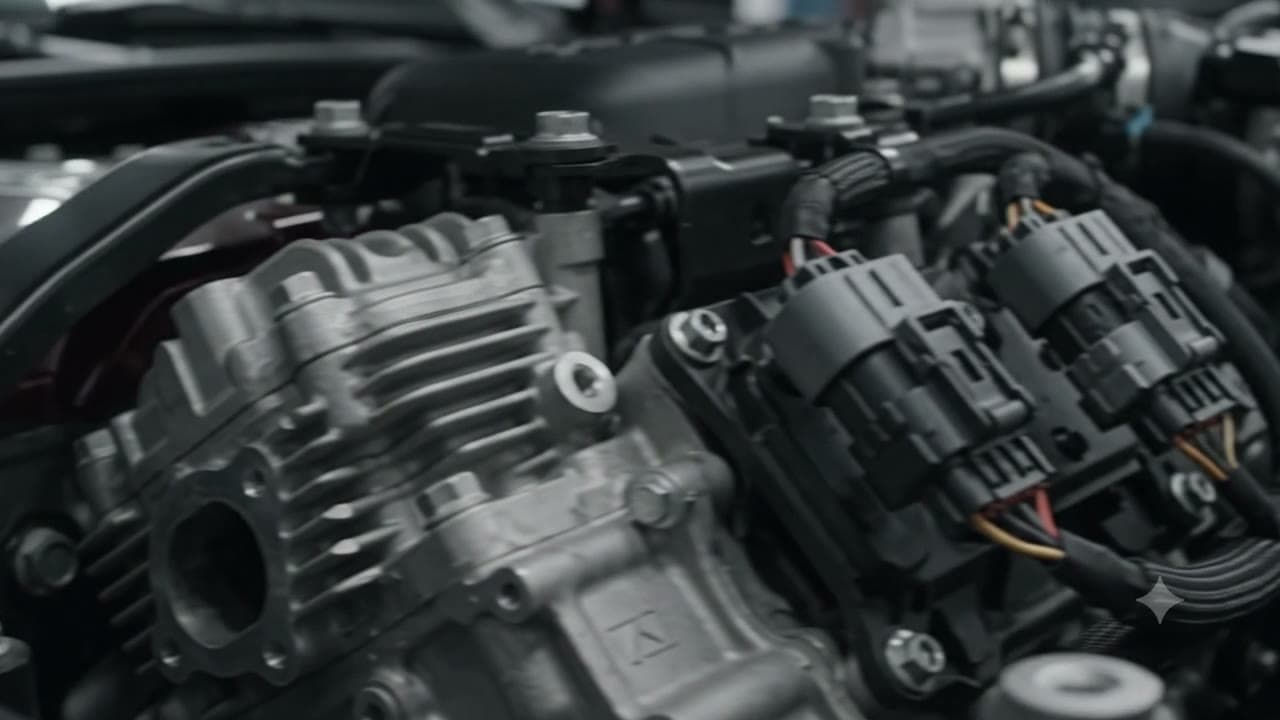
Engine, gearbox, brakes, body and dashboard each have their own control unit. They talk constantly over the vehicle’s data networks.

Precision ECU tuning, vehicle diagnostics and electronic control solutions.
01 / 04
Engine, gearbox, brakes, body and dashboard each have their own control unit. They talk constantly over the vehicle’s data networks.
02 / 04
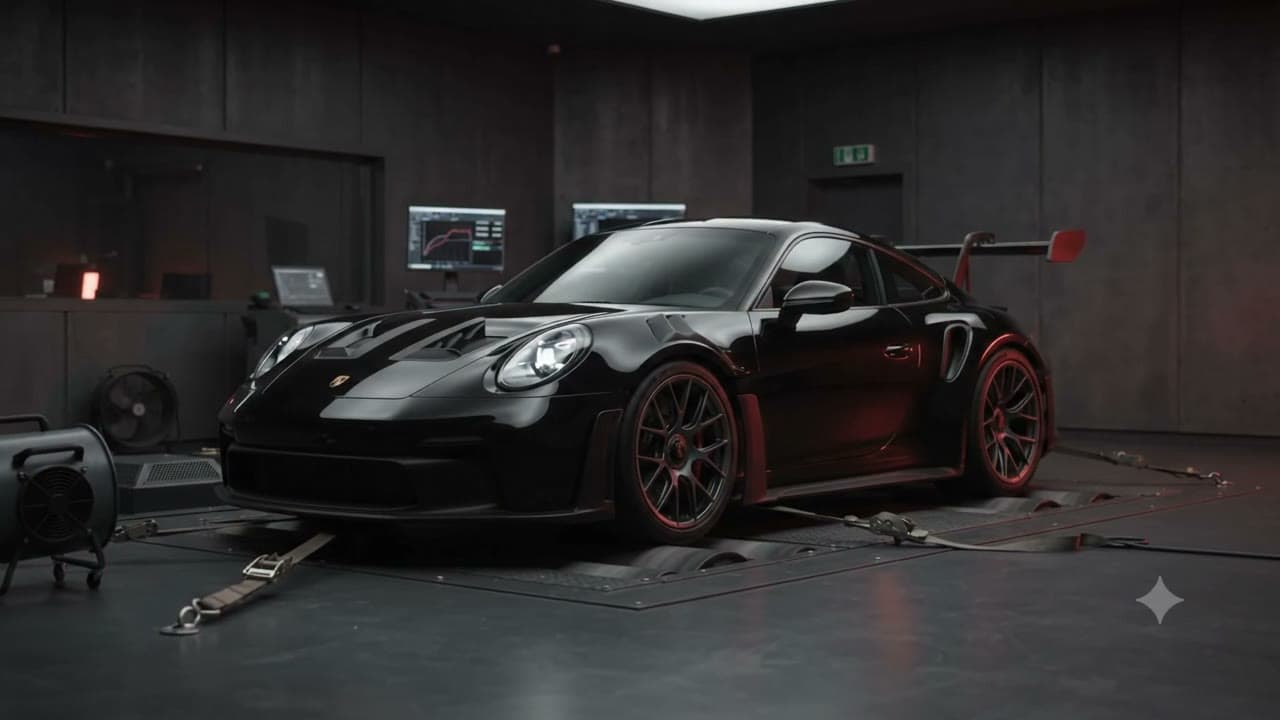
The engine control unit decides fuelling, timing and boost thousands of times a second. Its neighbours share sensor data, limits and fault reports.
03 / 04
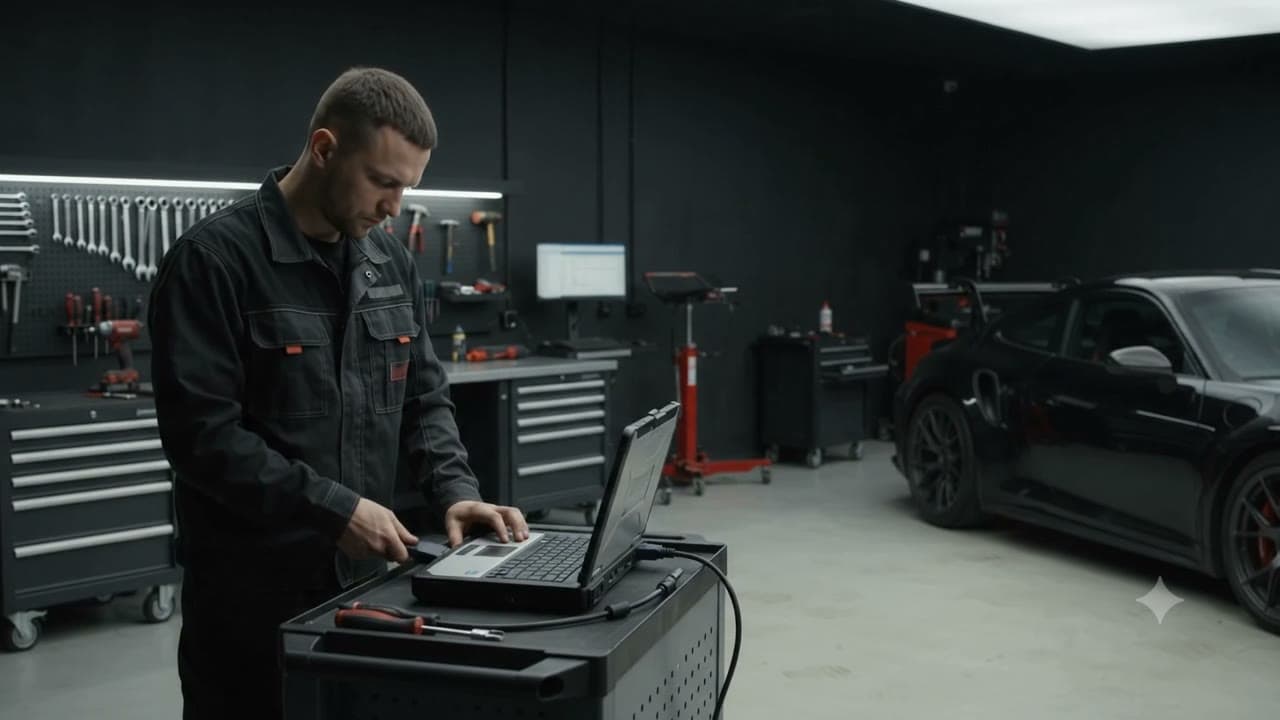
Work starts with what the car reports: fault memory, live data and software versions. Calibration or repair follows only once the picture is clear.
04 / 04
Diagnostics, programming, keys, a remap or a security install — chosen for the fault or goal you actually have.
Eight services, three reasons to visit. Each page explains what the work involves and where its limits are.
Calibration and tuning for a healthy vehicle, matched to its hardware and how you drive it.
Diagnosis first, then programming, coding or a reset for the engine, body, airbag and instrument modules.
Keys, immobilisers and anti-theft systems, for owners, with proof of ownership.
 Illustrative
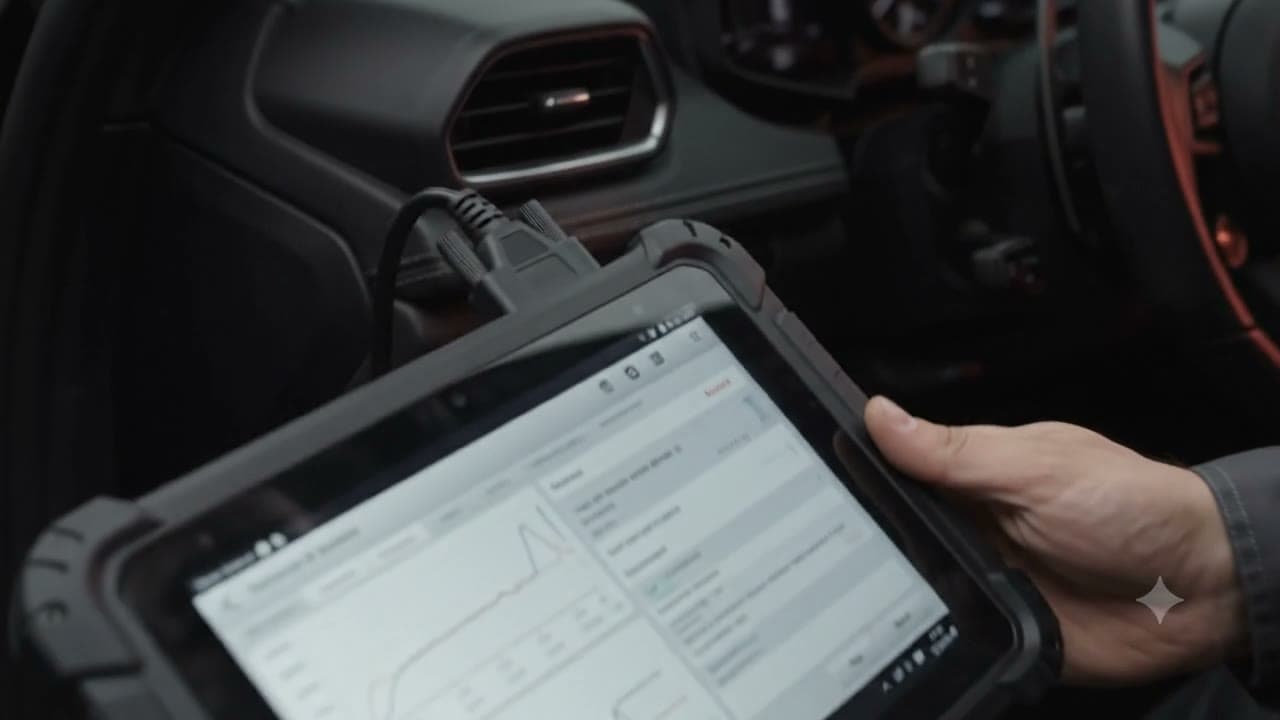
Automotive diagnostics and scanning: All modules: fault memory, live data, circuit tests
For a warning light, a fault that keeps coming back, a module that needs programming or an airbag light after repairs.
Illustrative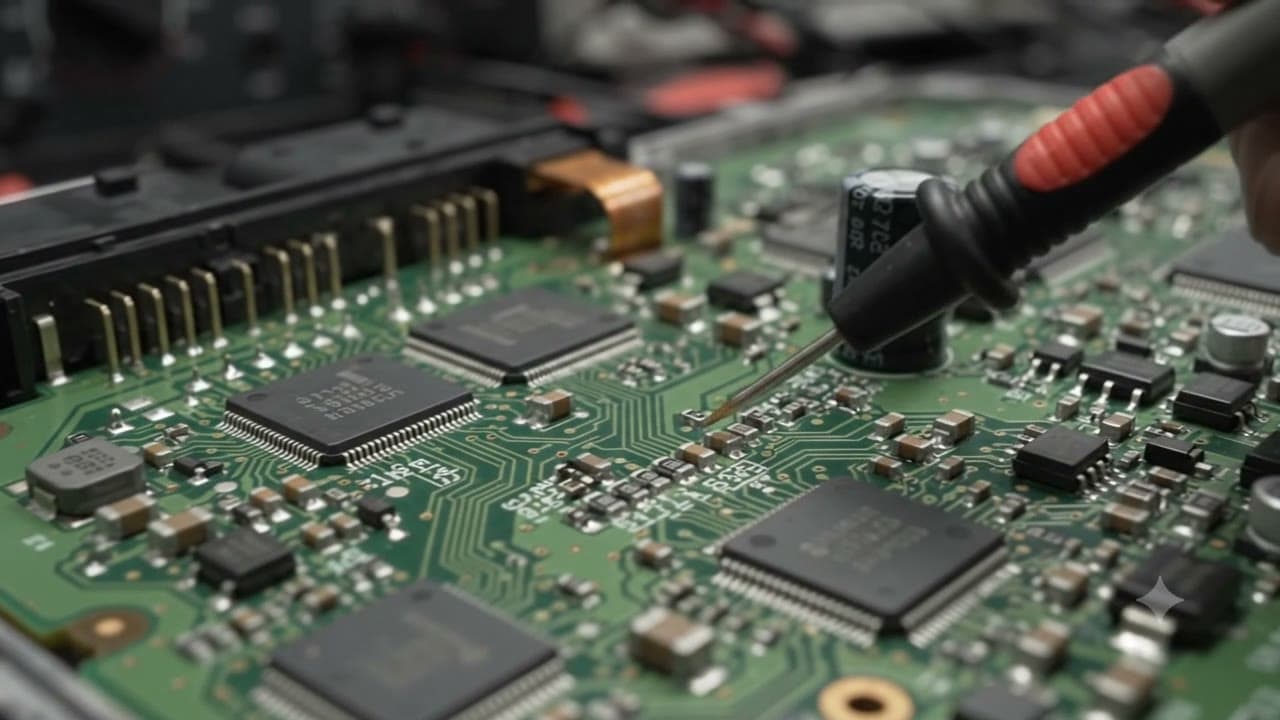 Illustrative
What you noticed, when it happens, and anything already tried or replaced.
Exact model, engine, control unit and software version. The right procedure depends on all of them.
Fault memory, live data and measurements on the circuits involved. A fault code points the way; it rarely gives the answer on its own.
What was found, what it means, and the proposed work — before anything on the car is changed.
Programming, a reset, a repair or new keys — only the work you agreed to.
Fault memory re-read, live data checked, and a road test where it’s relevant.
A typical sequence. The exact procedure depends on the vehicle and the fault, and is confirmed when you book.
No projects are published yet. Each one will appear here only once the work and its results are verified, with the owner’s consent.
 Illustrative
Describe the symptoms or the goal, with the make and model. That’s enough to start.